Introduction
Dark circles under the eyes are a common cosmetic concern, and they affect people of all ages. While genetics play a role, lifestyle factors—particularly excessive screen time and lack of sleep—have become major contributors in today’s digital world. Whether it’s late-night work sessions, binge-watching shows, or long hours on smartphones and laptops, our modern habits can show up prominently around the eyes.
Understanding the science behind dark circles, their causes, and strategies to manage them can help you reduce their appearance and improve overall eye health.
What Are Dark Circles?

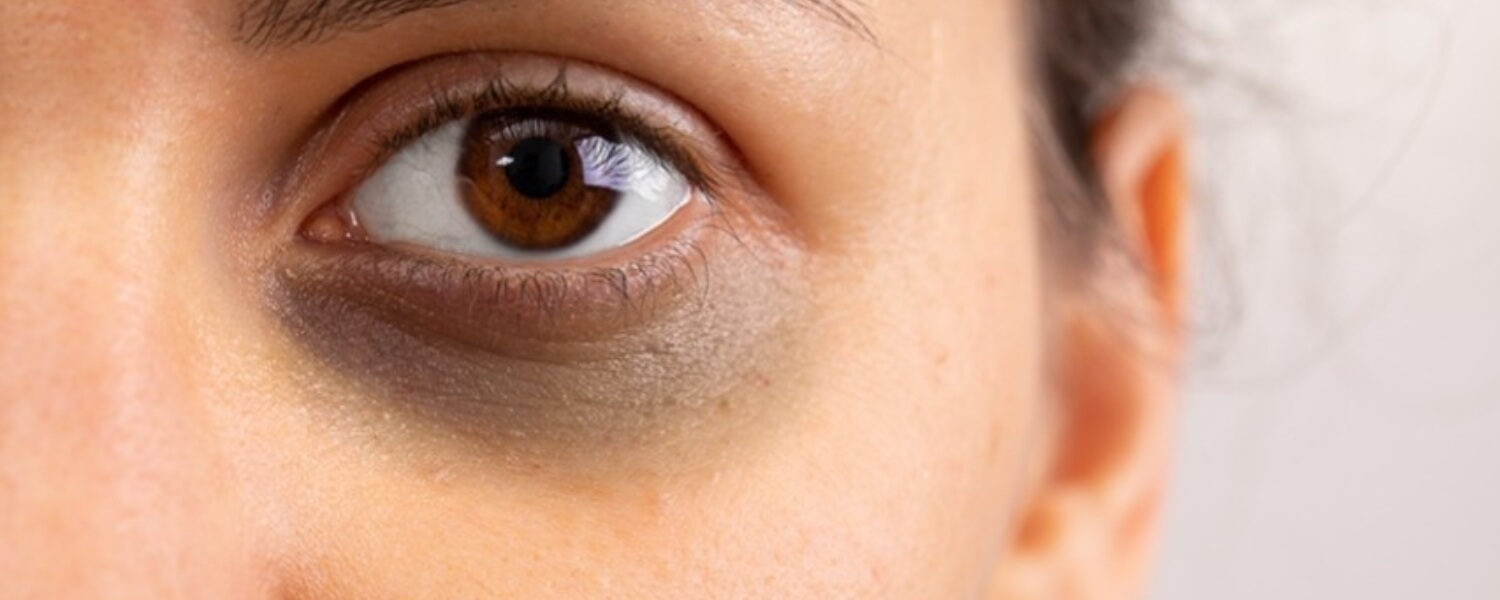
Dark circles are discoloration under the eyes that can appear bluish, purplish, brown, or gray. They often occur when the skin around the eyes becomes thinner or when blood vessels beneath the surface become more visible.
Factors contributing to dark circles include:
- Genetics and natural pigmentation
- Aging, which thins the skin and reduces fat and collagen
- Allergies or sinus issues that cause inflammation
- Lifestyle habits such as sleep deprivation and prolonged screen exposure
While dark circles are rarely a medical concern, they can affect confidence and signal underlying lifestyle imbalances.
How Lack of Sleep Contributes to Dark Circles
One of the most well-known causes of dark circles is sleep deprivation. When the body doesn’t get enough rest, several changes occur that make dark circles more visible:
- Increased Blood Vessel Visibility
Sleep deprivation can cause blood vessels under the thin under-eye skin to dilate, creating a bluish or purplish appearance. - Fluid Retention and Puffiness
Lack of sleep can lead to fluid retention, causing puffiness around the eyes. Shadows formed by puffiness can accentuate the appearance of dark circles. - Reduced Skin Regeneration
Sleep is essential for skin repair and collagen production. Without adequate rest, the skin loses elasticity and appears thinner, making underlying blood vessels more visible. - Stress and Hormonal Effects
Sleep deprivation increases stress hormone levels, which can affect circulation and skin health, further contributing to discoloration under the eyes.
How Screen Time Affects Under-Eye Skin
Excessive screen time—whether from smartphones, computers, or televisions—affects dark circles in several ways:
- Digital Eye Strain
Staring at screens for extended periods causes eye strain, which can lead to blood vessel congestion around the eyes. This makes the under-eye area appear darker. - Blue Light Exposure
Blue light emitted by screens can penetrate the skin and may contribute to oxidative stress. Over time, this can weaken the delicate skin under the eyes, enhancing the visibility of dark circles. - Disrupted Sleep Patterns
Late-night screen use suppresses melatonin production, making it harder to fall asleep. Poor sleep quality combined with increased screen time creates a cycle that exacerbates dark circles. - Frequent Squinting and Fatigue
Prolonged focus on screens causes repetitive facial movements and squinting, which can deepen fine lines and create shadowed areas around the eyes.
Combined Effect: Sleep Loss + Screen Time
When lack of sleep and excessive screen time combine, their impact on dark circles intensifies. Fatigue, eye strain, poor circulation, and thinner under-eye skin all contribute to a more pronounced appearance of darkness. This is why people who work long hours at computers or use phones late at night often notice darker under-eye circles compared to those with healthier routines.
Practical Tips to Reduce Dark Circles from Screens and Sleep Deprivation
- Prioritize Sleep
Aim for 7–9 hours of quality sleep per night. Consistent bedtime routines can improve skin regeneration and reduce vascular congestion. - Limit Screen Time Before Bed
Avoid screens at least an hour before sleep or use blue light filters to minimize melatonin suppression. - Take Regular Breaks
Follow the 20-20-20 rule: every 20 minutes, look at something 20 feet away for 20 seconds to reduce eye strain. - Stay Hydrated
Proper hydration improves circulation and helps prevent puffiness that can accentuate dark circles. - Use Moisturizing Eye Creams
Products with ingredients like hyaluronic acid, vitamin C, or peptides can improve under-eye skin elasticity and reduce the appearance of dark circles. - Cold Compresses or Tea Bags
Cold compresses or chilled green tea bags can constrict blood vessels, reduce puffiness, and temporarily lighten dark circles. - Protect Eyes from Screens and Sunlight
Wearing sunglasses outdoors and adjusting screen brightness indoors reduces strain and protects delicate under-eye skin.
When to Seek Professional Help
Most dark circles caused by lifestyle factors improve with better sleep, reduced screen time, and proper skincare. However, consult a dermatologist or healthcare provider if:
- Dark circles persist despite lifestyle improvements
- They are accompanied by swelling, itching, or redness
- You notice sudden changes in color or texture
A professional can recommend treatments such as laser therapy, chemical peels, or medical-grade creams for more stubborn cases.
Also Read: Why Homemade Indian Food Is Healthier Than Outside Food
Final Thoughts
Dark circles are a common consequence of modern lifestyle habits, particularly excessive screen use and insufficient sleep. While genetics and aging play a role, understanding the impact of daily habits empowers you to take steps that reduce their appearance.
By prioritizing rest, taking screen breaks, protecting the delicate under-eye skin, and maintaining good hydration, you can minimize dark circles and improve overall eye health. These small, consistent changes make a noticeable difference over time, allowing your eyes to look brighter, healthier, and more refreshed.