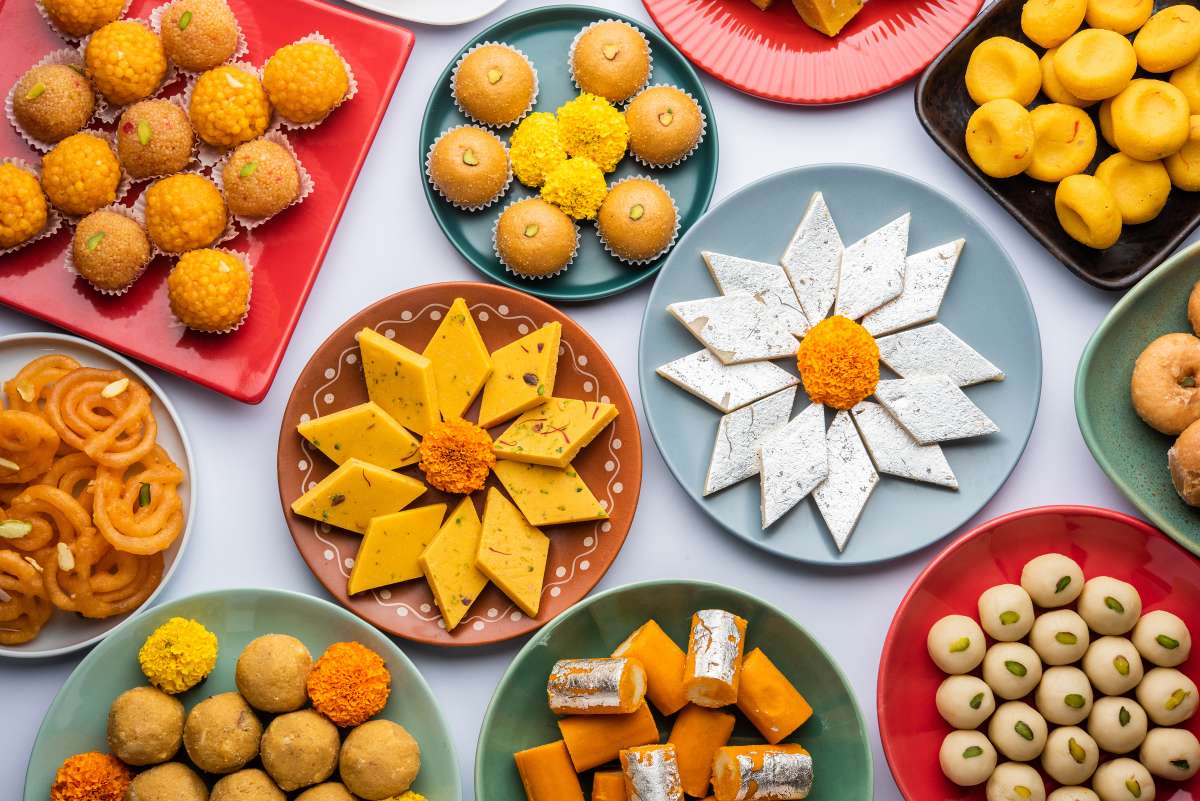
Indian sweets are more than desserts — they’re part of festivals, family gatherings, celebrations, and emotions. From laddoos at weddings to kheer on special occasions, saying “no” to mithai can feel impossible. But with rising concerns about weight gain, diabetes, and low energy levels, many people want to cut back on sugar without giving up the foods they love.
The good news? You don’t have to quit Indian sweets completely. With smarter choices, better ingredients, and mindful habits, you can enjoy traditional flavors while reducing your overall sugar intake.
Why Too Much Sugar Is a Problem
Sugar gives quick energy, but excess consumption can harm your health over time. Many Indian diets already include hidden sugars through tea, packaged snacks, sweets, and desserts.
Health Risks Linked to High Sugar Intake
Consuming too much added sugar regularly may lead to:
- Weight gain and belly fat
- Increased risk of type 2 diabetes
- Energy crashes and fatigue
- Skin issues like acne and dullness
- Higher chances of heart problems
This doesn’t mean sweets are “bad.” The problem is quantity and frequency, not occasional enjoyment.
Understanding Sugar in Indian Sweets
Traditional Indian desserts often contain refined sugar, condensed milk, and syrup. Some popular sweets are especially high in sugar.

High-Sugar Mithai Examples
- Gulab jamun soaked in sugar syrup
- Jalebi dipped in syrup
- Rasgulla and rasmalai
- Barfi made with sugar and khoya
- Halwa prepared with sugar and ghee
But the sweetness level can be adjusted without ruining taste — that’s where smart swaps come in.
Smart Ingredient Swaps to Cut Sugar
You can reduce sugar in Indian sweets without losing their authentic flavor by replacing ingredients wisely.
Use Natural Sweeteners
Instead of refined sugar, try:
- Jaggery (gur) – contains minerals and has a richer taste
- Dates paste – great for laddoos and halwa
- Honey – works well in small amounts
- Coconut sugar – lower glycemic impact
These still contain sugar, but they are less processed and often more satisfying, so you use less.
Add Naturally Sweet Ingredients
Some ingredients bring natural sweetness:
- Ripe bananas
- Carrots (for halwa)
- Sweet pumpkin
- Coconut
- Dry fruits like raisins and figs
These reduce the need for added sugar.
Portion Control Without Feeling Deprived
One of the easiest ways to reduce sugar is to change portion size.
Try the “Taste, Don’t Feast” Rule
Instead of eating 3–4 pieces of mithai:
- Have one small piece
- Eat slowly
- Enjoy the flavor and texture
When you eat mindfully, satisfaction increases even with smaller amounts.
Share Sweets
At gatherings, split desserts with family members. You still enjoy the experience without overdoing sugar.
Healthier Versions of Popular Indian Sweets
You don’t have to avoid your favorites — just modify them.
Low-Sugar Laddoo Options
- Oats laddoo with dates
- Peanut jaggery laddoo
- Dry fruit laddoo without added sugar
These give fiber, protein, and healthy fats, which slow sugar absorption.
Kheer and Halwa Alternatives
- Use toned milk or almond milk
- Sweeten lightly with dates or jaggery
- Add nuts and seeds for richness instead of sugar
The texture remains creamy while sugar load drops.
Cooking Methods That Help Reduce Sugar
How you cook matters just as much as what you cook.
Roast for Flavor
Dry roasting nuts, semolina, or coconut enhances natural sweetness, reducing the need for extra sugar.
Use Spices for Perceived Sweetness
Certain Indian spices make food taste sweeter without adding sugar:
- Cardamom
- Cinnamon
- Nutmeg
- Saffron
These boost flavor, making desserts satisfying with less sweetness.
Managing Cravings the Smart Way
Sugar cravings are common, especially after meals or during stress.
Eat Balanced Meals
When your meals include protein, fiber, and healthy fats, sugar cravings reduce naturally.
Examples:
- Dal + sabzi + roti
- Curd with meals
- Nuts as snacks
Stable blood sugar means fewer sweet cravings.
Don’t Skip Meals
Skipping meals often leads to overeating sweets later. Regular eating keeps energy stable.
Festive Eating Without Overdoing Sugar
Festivals in India mean sweet overload. Instead of avoiding sweets entirely, plan smartly.
Festive Strategy
- Eat sweets after meals, not on an empty stomach
- Choose dry sweets over syrupy ones
- Drink water between servings
- Avoid sugary drinks alongside desserts
You enjoy celebrations without a sugar crash.
Train Your Taste Buds Slowly
Your taste adjusts over time. If you gradually reduce sugar, extremely sweet foods will start feeling too sugary.
Step-by-Step Reduction
- Reduce sugar in tea and coffee first
- Cut sweet snacks between meals
- Make homemade sweets with 25% less sugar
- Increase fruits instead of desserts
Within weeks, your cravings decrease naturally.
When to Be Extra Careful
Some people need stricter sugar control:
- People with diabetes or prediabetes
- Those trying to lose weight
- Individuals with PCOS
- Anyone with fatty liver issues
In such cases, sweets should be occasional and in very small portions.
The Emotional Side of Indian Sweets
Food is linked with memories, love, and tradition. Completely removing sweets can feel emotionally restrictive, leading to binge eating later.
A balanced approach works better than strict bans.
Enjoy sweets consciously, not mindlessly.
Read Also : Regional Sweets of India: What Every Festival Brings to the Table
Final Thoughts
Reducing sugar doesn’t mean saying goodbye to Indian sweets forever. It means making smarter choices — using natural sweeteners, controlling portions, and cooking creatively. When you shift from “avoid sweets” to “enjoy wisely,” you protect your health without missing out on traditions and celebrations.
The goal is balance, not restriction. A small piece of your favorite mithai enjoyed mindfully is far better than overeating out of guilt or deprivation.
With simple swaps and habits, you can satisfy your sweet tooth and still take care of your body.