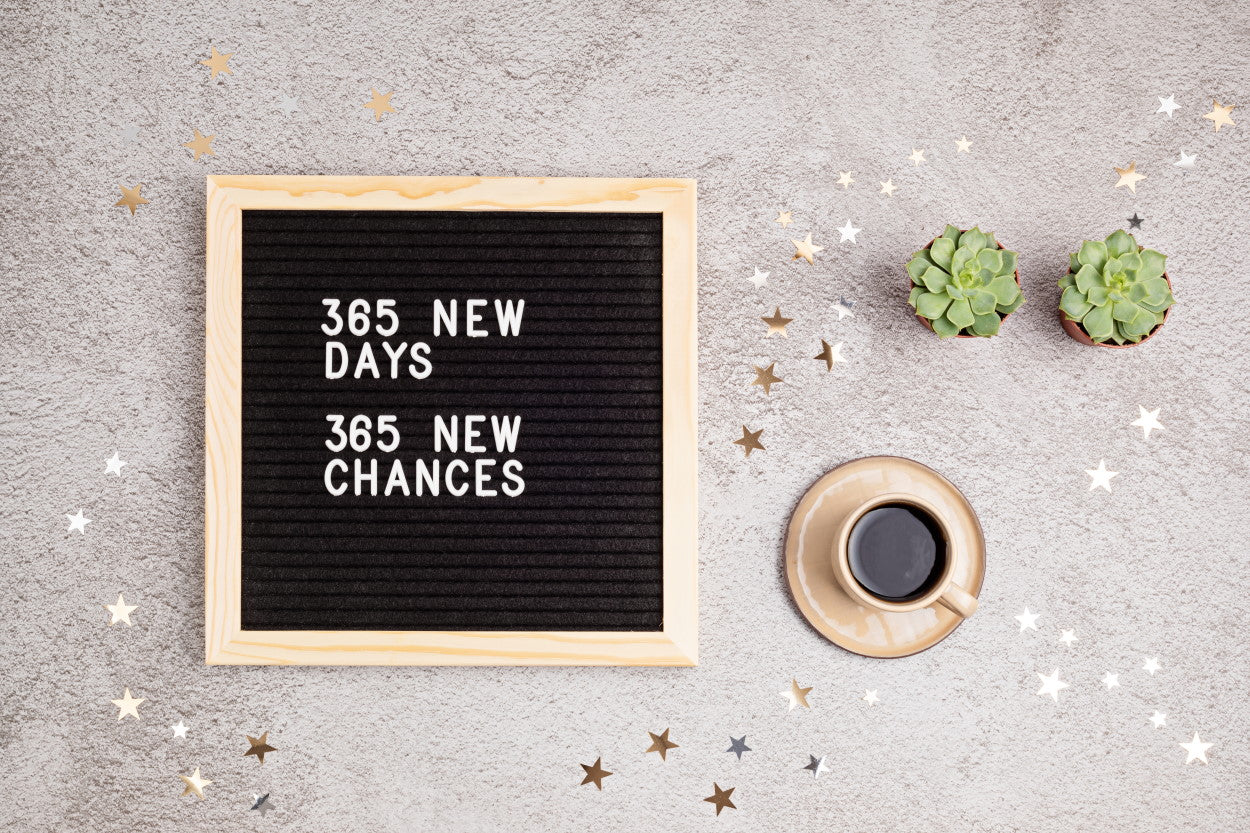
Every New Year, we’re surrounded by loud promises: wake up at 5 AM, lose 10 kilos, quit sugar forever, transform life in 30 days. And every year, most of these resolutions quietly fade by February. If that cycle feels familiar, you’re not alone.
Starting the New Year without big resolutions doesn’t mean giving up on growth. It means choosing a calmer, more realistic way to move forward. This approach is especially relevant for people in India, where daily routines, family responsibilities, and work pressure already demand a lot. Instead of drastic promises, small intentional shifts can create lasting change.
Why Big New Year Resolutions Often Fail
Before choosing a different approach, it helps to understand why traditional resolutions don’t work for most people.
They Are Too Extreme
Big resolutions usually demand sudden lifestyle changes. Going from zero exercise to daily workouts or from regular eating habits to strict diets creates pressure that’s hard to sustain.
They Focus on the End Result, Not the Process
Most resolutions are outcome-based: lose weight, earn more, be successful. They rarely address how to live differently every day, which is where real change happens.
They Add Stress Instead of Motivation
The New Year is meant to feel fresh, but unrealistic resolutions often bring guilt, comparison, and anxiety—especially when progress slows.
A Better Way: Start the New Year With Intentions

Instead of resolutions, focus on intentions. Intentions are gentle directions rather than strict rules.
An intention answers this question:
“How do I want to feel and live this year?”
Examples:
- I want to feel calmer in my daily routine
- I want to take better care of my energy
- I want to be more present with family
Intentions guide behaviour without forcing perfection.
Focus on Small Habits, Not Life Overhauls
Lasting change comes from small habits repeated consistently. You don’t need a dramatic reset.
Start With One Tiny Habit
Choose something so small it feels easy:
- Drink one extra glass of water daily
- Walk for 10 minutes after dinner
- Put your phone away 30 minutes before bed
These habits build confidence and momentum naturally.
Attach Habits to Existing Routines
Habit stacking works well in Indian households:
- Stretch while waiting for chai
- Practice deep breathing during morning prayers
- Read two pages of a book before sleeping
When habits fit your life, they last longer.
Redefine “Success” for the New Year
Success doesn’t have to look like social media posts or dramatic achievements.
Measure Progress in Feelings
Instead of asking “Did I achieve everything?”, ask:
- Do I feel less rushed?
- Am I sleeping slightly better?
- Do I feel more balanced than last year?
These are powerful indicators of real progress.
Accept Slow Growth
Life doesn’t reset on 1st January. Growth happens gradually, with pauses and setbacks. That’s normal, not failure.
Create Flexible Goals That Adapt With You
Goals are helpful when they allow flexibility.
Use Ranges Instead of Fixed Targets
Instead of:
- “I will exercise every day”
Try:
- “I’ll move my body 3–5 times a week”
This removes all-or-nothing thinking and keeps motivation alive.
Review, Don’t Judge
Check in with yourself monthly:
- What’s working?
- What feels heavy?
- What needs adjustment?
Curiosity works better than self-criticism.
Be Kind to Your Mental and Emotional Space
A New Year is not just about productivity. Emotional wellbeing matters just as much.
Reduce Mental Clutter
You don’t need to fix everything at once. Sometimes progress means:
- Saying no more often
- Letting go of unnecessary expectations
- Creating small pockets of rest
Consume Less Comparison Content
Limit exposure to content that makes you feel behind. Everyone’s journey is different, and timelines are personal.
Celebrate Ordinary Wins
Not every win needs to be big or visible.
Celebrate things like:
- Choosing rest over burnout
- Handling a difficult situation calmly
- Staying consistent with a small habit
These quiet wins shape a healthier year.
Use the New Year as a Check-In, Not a Deadline
Think of the New Year as a pause button rather than a finish line.
You can start fresh:
- In February
- On a random Monday
- After a tough week
There’s no rule that change must begin on January 1st.
Build a Year That Feels Like Yours
The best New Year plans are personal, not copied. Your pace, priorities, and responsibilities matter.
Some people thrive with structure. Others need flexibility. There’s no universal formula for a good year.
The goal is not transformation—it’s alignment.
Read Also : New Year Resolution Essay for Students
Final Thoughts
Starting the New Year without big resolutions isn’t about lowering standards—it’s about choosing a kinder, more sustainable path. When you stop forcing change, you create space for real growth.
This year, instead of promising a new version of yourself, try showing up as you are—one small step at a time. That’s often where the most meaningful change begins.