


Over the past decade, India has witnessed a quiet but significant health shift. Diseases that were once associated with older adults are now increasingly affecting teenagers and young adults. Conditions like diabetes, hypertension, obesity, fatty liver disease, and even early heart issues are becoming more common among people in their 20s and early 30s. This growing trend of lifestyle diseases among young Indians is not just a medical concern—it’s a social and economic challenge that reflects how modern living patterns are reshaping health.
Understanding why this is happening, and what it means for the future, is essential for building healthier habits and a more aware generation.
What Are Lifestyle Diseases?
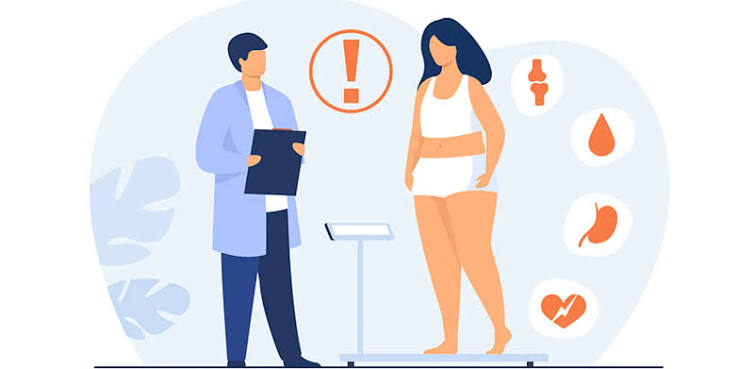
Lifestyle diseases are health conditions that are primarily caused by daily habits and long-term behavioral patterns rather than infections or genetics alone.
These include:
- Type 2 diabetes
- High blood pressure (hypertension)
- Obesity
- Heart disease
- Fatty liver disease
- Certain types of respiratory issues
Unlike infectious diseases, lifestyle diseases develop slowly over time. They are strongly influenced by factors such as diet, physical activity, stress levels, sleep quality, and substance use.
Why Young Indians Are Increasingly Affected
Several modern lifestyle shifts are contributing to this trend. What makes it particularly concerning is how early these patterns begin.
1. Sedentary Lifestyle
One of the biggest contributors is reduced physical activity. Many young adults spend long hours sitting—whether in college lectures, office jobs, or while working remotely.
- Increased screen time
- Lack of regular exercise
- Reliance on vehicles instead of walking
This inactivity slows metabolism and increases fat accumulation, especially around the abdomen, which is linked to higher health risks.
2. Changing Food Habits
Dietary patterns have shifted dramatically in urban and semi-urban India.
- Rise in fast food consumption
- High intake of sugar and processed snacks
- Irregular meal timings
- Low fiber and nutrient intake
Traditional balanced meals are often replaced with convenient but calorie-dense foods. Over time, this contributes to obesity, insulin resistance, and digestive issues.
3. Stress and Mental Pressure
Young Indians today face intense academic, professional, and social pressure. While ambition is rising, so is chronic stress.
Stress affects the body in multiple ways:
- Increases cortisol levels
- Disrupts sleep patterns
- Leads to emotional eating
- Impacts heart health over time
Prolonged stress is now recognized as a major trigger for lifestyle-related conditions.
4. Poor Sleep Patterns
Sleep is often sacrificed due to work, studies, or screen addiction.
- Late-night scrolling
- Irregular sleep schedules
- Reduced sleep duration
Poor sleep affects hormone balance, metabolism, and immunity, increasing the risk of obesity and diabetes.
5. Digital Dependency
Smartphones, laptops, and social media have become central to daily life.
While technology offers convenience, excessive usage leads to:
- Reduced physical movement
- Eye strain and fatigue
- Increased stress and anxiety
- Disrupted sleep cycles
This digital dependency indirectly contributes to multiple lifestyle disorders.
Common Lifestyle Diseases Emerging in Young Indians
1. Obesity
Obesity is one of the earliest visible signs of lifestyle imbalance. It is now increasingly seen in school students and young professionals due to poor diet and inactivity.
2. Type 2 Diabetes
Earlier considered an older adult condition, Type 2 diabetes is now being diagnosed in people in their 20s due to insulin resistance caused by obesity and unhealthy eating habits.
3. Hypertension
High blood pressure is rising rapidly among young adults, often linked to stress, poor sleep, and high sodium intake.
4. Fatty Liver Disease
Non-alcoholic fatty liver disease (NAFLD) is becoming more common due to high sugar consumption and sedentary routines.
5. Early Heart Risks
Doctors are increasingly reporting early signs of heart disease in younger populations, often linked to obesity, smoking, stress, and poor fitness levels.
The Hidden Impact on Daily Life
Lifestyle diseases don’t just affect physical health—they influence every aspect of life.
1. Reduced Energy and Productivity
Constant fatigue and low stamina can affect academic and professional performance.
2. Emotional and Mental Health Challenges
Chronic illness can lead to anxiety, depression, and reduced confidence.
3. Financial Burden
Long-term treatment, medications, and medical tests can become expensive over time.
4. Lower Quality of Life
Even mild conditions can limit physical activity and overall enjoyment of life.
Why Early Prevention Matters
The most concerning aspect of lifestyle diseases is that they are preventable in most cases. Early habits play a critical role in long-term health outcomes.
Preventive awareness can significantly reduce risks later in life.
How Young Indians Can Reduce the Risk
Small, consistent changes can make a major difference.
1. Stay Physically Active
- At least 30–45 minutes of exercise daily
- Walking, cycling, yoga, or gym workouts
2. Improve Diet Choices
- Include fruits, vegetables, and whole grains
- Reduce sugar and processed foods
- Stay hydrated
3. Manage Stress
- Practice meditation or breathing exercises
- Take regular breaks from screens
- Engage in hobbies
4. Prioritize Sleep
- Maintain a fixed sleep schedule
- Avoid screens before bedtime
- Aim for 7–8 hours of sleep
5. Reduce Screen Time
- Set digital limits
- Take breaks every hour
- Spend more time outdoors
The Role of Awareness and Education
One of the biggest challenges is lack of awareness. Many young people ignore early warning signs such as fatigue, weight gain, or frequent stress-related symptoms.
Schools, colleges, workplaces, and healthcare platforms need to focus more on preventive education rather than just treatment.
Also Read: Why Handmade Gifts Make Every Occasion More Special
Conclusion
Lifestyle diseases among young Indians are no longer a distant concern—they are a present reality. Rapid urbanization, changing diets, digital dependence, and rising stress levels are reshaping the health landscape of an entire generation.
The good news is that these conditions are largely preventable. With mindful habits, early awareness, and consistent lifestyle changes, young Indians can take control of their health before problems become long-term challenges.
The future of health is not just about treatment—it is about prevention, balance, and conscious living.