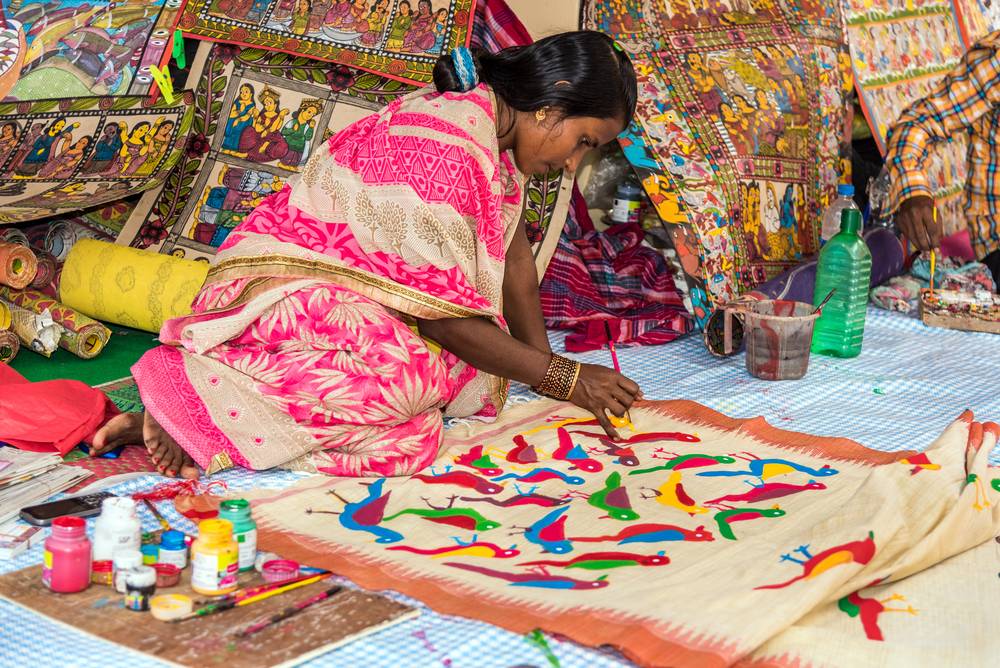
India has always been known as the land of rich traditions, diverse cultures, and timeless craftsmanship. From handwoven textiles of Banaras to blue pottery of Jaipur, Indian artisans have kept centuries-old skills alive. Today, with the power of e-commerce, these handicrafts are no longer limited to local bazaars or tourist markets. Instead, they are finding admirers across the globe. The digital shift has opened a new era for India’s handicraft industry, giving artisans international exposure, better income opportunities, and recognition for their art.
The Rich Legacy of Indian Handicrafts
Indian handicrafts are more than just decorative pieces; they carry deep cultural and historical significance. Each region of India has developed its own unique craft traditions, reflecting local lifestyles, resources, and heritage. For example:
- Madhubani paintings from Bihar depict mythological themes with intricate details.
- Pashmina shawls from Kashmir symbolize luxury and warmth.
- Terracotta pottery from West Bengal is both functional and artistic.
- Dhokra metal casting from Chhattisgarh has roots dating back to the Indus Valley Civilization.
For decades, these art forms survived through local patronage and traditional markets. However, limited accessibility kept many artisans from achieving sustainable livelihoods. That is where e-commerce has made a transformative difference.
How E-Commerce Is Reshaping the Handicraft Industry

The rise of online marketplaces has given Indian handicrafts a new platform to flourish. Platforms like Amazon, Etsy, Flipkart, and niche craft-based portals allow artisans and small businesses to showcase their products to a global audience. This shift has broken geographical barriers, enabling a craftsperson in a rural village to sell directly to customers in New York, London, or Sydney.
Accessibility and Wider Reach
Earlier, artisans depended on middlemen or local exhibitions to sell their goods. Today, e-commerce platforms bring artisans closer to buyers worldwide. With just a smartphone and internet connection, a craftsperson can reach millions of potential customers.
Direct-to-Customer Model
E-commerce has reduced the dependency on intermediaries. By selling directly to customers, artisans not only increase profits but also build direct relationships with their audience. This transparency helps build trust and brand loyalty.
Opportunities for Customization
Unlike physical stores that stock limited designs, e-commerce platforms allow artisans to offer customization. Buyers looking for personalized gifts or unique home décor can interact directly with the artisan, creating demand for tailor-made products.
Global Demand for Authentic Handicrafts
There is a growing global demand for sustainable, handmade, and culturally rich products. With increasing awareness about ethical fashion and eco-friendly lifestyles, international buyers prefer products that have a story behind them. Indian handicrafts perfectly fit this demand.
For instance:
- Handwoven textiles are promoted as slow fashion alternatives to machine-made fast fashion.
- Eco-friendly crafts such as bamboo products, jute bags, and clay pottery are aligned with sustainable living trends.
- Unique art forms like Warli paintings or Bidriware are viewed as collectible cultural treasures.
This alignment with global trends has given Indian handicrafts a competitive advantage in the international market.
Government Initiatives Supporting Handicrafts Online
The Indian government has also recognized the potential of e-commerce for handicrafts. Programs like “Make in India” and “Digital India” have been instrumental in helping artisans go digital. The Ministry of Textiles has launched schemes to promote Geographical Indication (GI) tagging, which protects traditional crafts and boosts their value in global markets.
Additionally, government-backed platforms like India Handmade and tie-ups with e-commerce companies are making it easier for rural artisans to list their products online. This institutional support strengthens the supply chain and builds credibility for Indian handicrafts.
Challenges in Taking Handicrafts Global
While the opportunities are vast, challenges remain in scaling Indian handicrafts through e-commerce.
Logistics and Shipping
International shipping of fragile items such as pottery or textiles requires robust packaging and logistics support, which many artisans still lack.
Digital Literacy
Many artisans in rural areas are unfamiliar with online platforms, product photography, and digital payments. Without proper training, they struggle to compete effectively online.
Market Competition
E-commerce is highly competitive, and artisans often find it difficult to stand out among thousands of listings. Strong branding and storytelling become essential for visibility.
How Technology Is Bridging the Gap
The integration of technology is helping overcome these challenges. Mobile applications, digital payment systems, and training programs are making artisans more confident about e-commerce.
Role of Social Media
Platforms like Instagram, Facebook, and Pinterest allow artisans to showcase their work visually and reach niche audiences interested in handcrafted products. Storytelling through social media helps create an emotional connection with buyers.
Use of AI and Data Analytics
E-commerce platforms use AI-driven recommendations and data analytics to match artisans’ products with the right buyers. This ensures better discoverability and higher sales conversions.
Virtual Exhibitions
During the COVID-19 pandemic, virtual craft fairs became popular. They allowed artisans to display their products in a digital format, connect with global audiences, and make sales without being physically present.
Case Studies of Success
Several Indian brands have emerged as global leaders in promoting handicrafts online.
- Jaypore: Known for curating artisanal clothing, jewelry, and home décor, Jaypore has built a strong presence globally through e-commerce.
- Gaatha: This storytelling-based platform not only sells crafts but also narrates the history behind each item, connecting customers emotionally.
- Okhai: By promoting handcrafted apparel made by rural women, Okhai has empowered communities while reaching an international market.
These success stories highlight how e-commerce can transform traditional crafts into sustainable businesses.
The Future of Indian Handicrafts in the Digital Era
The global handicraft market is expected to grow significantly in the coming years, driven by demand for authentic and eco-friendly products. With India’s unmatched diversity in crafts, the future looks promising.
For artisans to thrive, ongoing training in digital literacy, branding, and sustainable packaging is essential. Collaborations between artisans, government bodies, and private e-commerce platforms will further strengthen India’s presence in global markets.
Read Also : How Small Businesses in India Are Using Social Media Marketing
Conclusion
Indian handicrafts represent the soul of India’s cultural heritage, and e-commerce has unlocked their true potential. By bridging the gap between rural artisans and global consumers, online platforms are not just expanding business opportunities but also preserving centuries-old traditions. As technology, sustainability, and storytelling converge, Indian handicrafts are set to shine brighter than ever on the global stage.