Introduction
Keeping your home smelling clean shouldn’t come at the cost of your health. Yet many store-bought air fresheners release synthetic fragrances and volatile organic compounds (VOCs) that can irritate your lungs, trigger allergies, and pollute indoor air. As awareness grows, more people are searching for ways to keep their living spaces fresh — without relying on harsh chemicals.
The good news? Nature gives us plenty of safe, effective, and affordable options. Whether you want to get rid of odors, improve air quality, or simply make your home feel more inviting, natural solutions can make a noticeable difference.
Let’s explore some of the best ways to freshen indoor air naturally and keep your space healthy.
Best Ways to Freshen Indoor Air Naturally
1. Open Windows and Improve Air Circulation
One of the simplest ways to refresh indoor air is also the most overlooked — just open the windows. Even 10–15 minutes of ventilation can replace stale air with clean outdoor air.
Good airflow helps:
- Reduce humidity
- Remove cooking odors
- Lower indoor pollutants
- Prevent mold buildup
If you live in a city or an area with dust, try opening windows during early morning hours when pollution is usually lower.
2. Use Indoor Plants That Purify the Air
Plants don’t just brighten a room — they can naturally filter toxins too. Many indoor species help remove chemicals like benzene, formaldehyde, and trichloroethylene from the air.
Some powerful air-purifying plants include:
- Snake Plant
- Spider Plant
- Peace Lily
- Aloe Vera
- Areca Palm
Place them in your bedroom, living room, or near windows for maximum benefit. Just remember that plants improve air quality gradually — they’re a supplement, not a complete solution.
3. Simmer Natural Ingredients for Instant Freshness
Simmer pots are a quick, aromatic way to fill your home with natural fragrance. Simply boil water and add ingredients such as:
- Lemon or orange slices
- Cinnamon sticks
- Cloves
- Ginger
- Rosemary or thyme
Let it simmer on low heat. Within minutes, your house will smell warm, clean, and inviting — without any artificial chemicals.
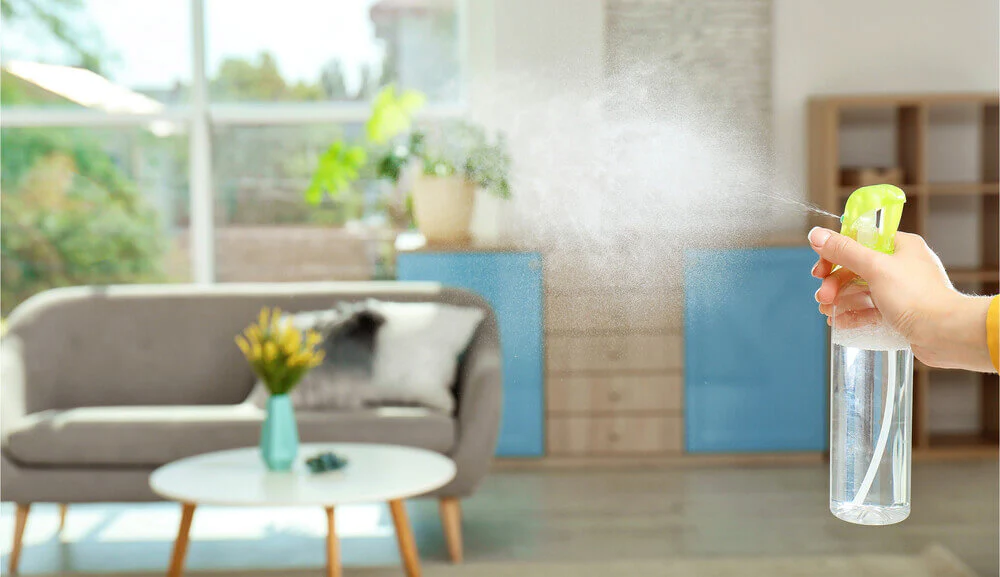
4. Make Your Own Essential Oil Spray
Essential oils offer a potent, plant-based alternative to synthetic air fresheners. You can easily make your own non-toxic spray at home.
DIY Air Freshener Spray
- 1 cup distilled water
- 10–15 drops essential oil (lavender, eucalyptus, lemon, peppermint, etc.)
- 1 tablespoon witch hazel or vodka (optional, helps oils disperse)
Mix it in a spray bottle and mist around your home as needed. Since it’s chemical-free, you can use it safely around kids and pets — just avoid direct contact with their skin.
5. Use Natural Odor Absorbers Like Baking Soda
Some smells linger because they’re absorbed into fabrics and carpets. Baking soda is a powerful natural deodorizer that traps odors instead of masking them.
Try these simple methods:
- Sprinkle baking soda on carpets, leave for 30 minutes, then vacuum.
- Place open boxes in the refrigerator, pantry, or shoe cabinets.
- Put small bowls around bathrooms or pet areas to absorb smells naturally.
6. Activated Charcoal for Deep Odor Removal
Activated charcoal is incredibly porous, making it excellent at absorbing toxins and odors from the air. You’ll find it in small pouches that can be placed around the home.
They’re especially useful for:
- Bedrooms
- Cupboards
- Cars
- Bathrooms
- Near litter boxes
These pouches can last months — just place them in the sun for a few hours to “recharge.”
7. Ingredients Like Vinegar and Lemon for Natural Cleaning
Sometimes, odors come from surfaces that need a quick refresh. Instead of using chemical cleaners, try natural deodorizing agents like white vinegar or lemon juice.
- Mix vinegar and water for all-purpose cleaning
- Use lemon to wipe kitchen counters and remove strong food smells
- Add vinegar during laundry to neutralize odors in clothes
They’re safe, effective, and leave no harmful chemical residue behind.
8. Switch to Beeswax or Soy Candles
Regular scented candles are often made of paraffin wax — a petroleum byproduct — and release synthetic fragrances and soot into the air.
Beeswax and soy candles burn cleaner and create a warm, calming atmosphere without polluting your indoor space. Choose candles with natural essential oils instead of fragrance oils.
9. Dehumidifiers and Salt Lamps for Cleaner Air
Moisture can make your home smell musty and encourage mold growth. A dehumidifier helps keep humidity levels balanced, reducing the chance of unwanted odors.
Himalayan salt lamps, while not miracle workers, can add a soft glow and provide minor air-purifying effects by absorbing moisture and reducing dust.
10. Keep Your Home Clean and Clutter-Free
Lastly, natural freshness starts with a clean environment. Regular cleaning prevents odor buildup and keeps allergens under control.
Simple habits that help:
- Wash fabrics regularly
- Clear out old food
- Vacuum carpets and upholstery
- Change bed sheets often
- Keep trash areas sanitary
Fresh air isn’t just about fragrance — it’s about maintaining a healthy indoor environment.
Also Read: SME Growth in India: Digital Tools Helping Small Businesses Scale
Final Thoughts
You don’t need chemical-packed air fresheners to make your home smell amazing. By using natural ingredients, improving airflow, and maintaining cleanliness, you can create a healthier, fresher living space that supports your well-being.
These simple methods are safe for everyone — kids, pets, and even those with allergies or asthma. A naturally fresh home doesn’t just smell better; it feels better too.