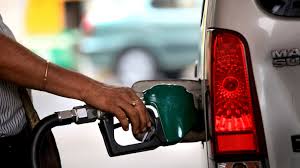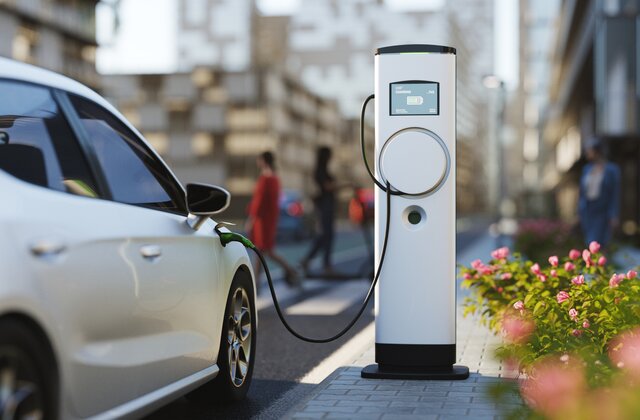
India is quickly evolving in terms of technology and sustainability, and electric vehicles (EVs) are playing a vital role in transforming the country’s transportation sector. With growing concerns about air pollution, fossil fuel dependence, and rising emissions, EVs are seen as a solution to India’s transport challenges.
This article explores how EVs are shaping the future of transportation in India by examining their environmental benefits, government initiatives, charging infrastructure development, and the challenges that still need to be addressed.
The Rise of Electric Vehicles in India

In recent years, India’s demand for electric vehicles has surged, with an increasing middle class and greater awareness of climate change. EVs, once considered a luxury, are now becoming practical and viable options for many consumers.
Several factors have contributed to this growth, including advancements in battery technology, falling costs, government incentives, and efforts to reduce pollution. With cities like Delhi and Mumbai grappling with poor air quality, EV adoption presents a potential solution to reduce carbon emissions.
The Environmental Benefits of Electric Vehicles
One of the most significant advantages of electric vehicles is their positive impact on the environment. India’s transportation sector is one of the largest contributors to air pollution, primarily due to fossil fuel-powered vehicles. EVs, on the other hand, produce zero tailpipe emissions, making them an environmentally friendly alternative.
1. Reducing Greenhouse Gas Emissions
EVs help India move towards its carbon reduction goals under the Paris Agreement. Switching from conventional vehicles to electric ones can drastically reduce greenhouse gas emissions, contributing to cleaner air and better health conditions in urban areas.
2. Decreasing Air Pollution
With India’s cities suffering from poor air quality, EVs can reduce harmful emissions, significantly lowering air pollution. Transitioning to electric mobility could improve the quality of life for millions and create a healthier living environment.
Government Initiatives for EV Adoption
The Indian government recognizes the potential of electric vehicles and is actively promoting their adoption through various initiatives.


1. FAME Scheme
The FAME India Scheme (Faster Adoption and Manufacturing of Hybrid and Electric Vehicles) was launched to promote EV adoption. This scheme provides subsidies to buyers, making EVs more affordable and encouraging the development of charging infrastructure.
2. Tax Incentives and GST Reductions
The government reduced the Goods and Services Tax (GST) on electric vehicles from 12% to 5%, further lowering their price. There are also income tax benefits for buyers, such as deductions on loans taken to purchase electric vehicles.
3. State-Level Initiatives
Several Indian states have launched their own policies to encourage EV adoption. States like Delhi, Maharashtra, and Tamil Nadu have introduced subsidies, rebates, and other incentives to make electric vehicles more attractive to buyers.
The Expansion of EV Charging Infrastructure
A significant challenge to EV adoption has been the lack of a robust charging infrastructure. However, this is gradually changing with efforts from both the government and private sector.
1. Public Charging Stations
The government is working towards setting up over 2,000 public charging stations in cities and highways. Several private companies have also started setting up charging stations, expanding the charging network across India.
2. Home Charging Solutions
For urban residents, home charging solutions are helping make EV ownership easier. Many manufacturers now offer home chargers, allowing EV owners to charge their vehicles overnight, reducing reliance on public charging stations.
The Challenges Facing EV Adoption in India
While the growth of electric vehicles in India is promising, there are still several challenges that need to be addressed.
1. High Initial Costs
Despite government incentives, the upfront cost of EVs remains high compared to conventional vehicles. The expensive batteries used in electric vehicles are a major contributor to this cost. Though EV prices are gradually decreasing, they still pose a barrier for many potential buyers.
2. Limited Range and Charging Time
EVs generally have a shorter driving range compared to conventional vehicles, and charging takes significantly longer than refueling a traditional car. Range anxiety remains a major concern for potential EV buyers, especially for long-distance travel.
3. Battery Disposal and Recycling
The growing use of lithium-ion batteries in EVs raises concerns about their disposal and recycling. As the number of EVs increases, so will the need for effective recycling methods to minimize the environmental impact of used batteries.
The Future of Electric Vehicles in India
The future of electric vehicles in India looks promising. Government policies, technological advancements, and growing environmental awareness are expected to drive the adoption of EVs in the coming years.
Manufacturers are working to improve EV infrastructure, reduce the cost of EVs, and enhance battery performance. The shift towards electric mobility is also aligned with India’s goal of becoming a more sustainable and eco-friendly nation.
Read Also : Makar Sankranti 2025 Kite Festival: A Celebration of Freedom and Tradition
Conclusion
Electric vehicles are playing a vital role in shaping the future of transportation in India. With benefits ranging from environmental advantages to reduced reliance on fossil fuels, EVs provide a sustainable solution to India’s growing pollution and transportation problems. While challenges such as high costs and limited infrastructure remain, the progress made so far offers a promising future for electric mobility in India.
The continued support from the Indian government, advancements in EV technology, and growing public awareness will help pave the way for a cleaner, greener, and more sustainable future, positioning India as a leader in electric transportation. The journey towards a fully electric India may take time, but the steps being taken today are transforming how we travel, creating a lasting impact for generations to come.