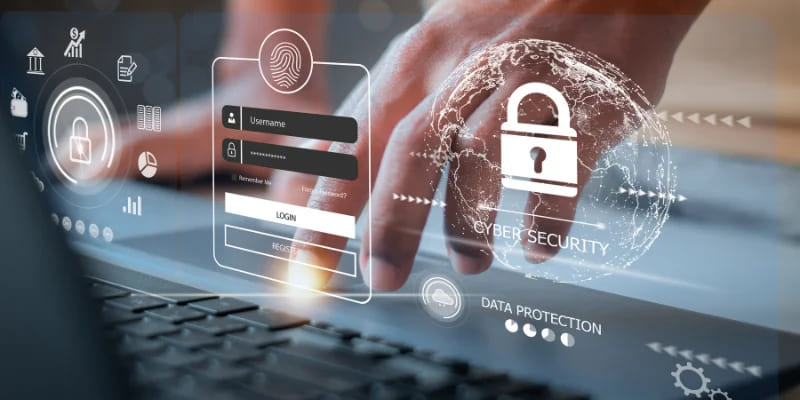
The internet has become a part of everyday life in India. From UPI payments and online shopping to social media, work emails, and government services, we depend on the digital world more than ever. But as internet usage grows, so do online risks like fraud, hacking, data theft, and scams. Many Indian users still believe cybercrime happens only to “others,” until it happens to them.
This blog is written to help everyday Indian internet users understand real cyber risks and learn simple, practical cyber safety tips. You don’t need to be a tech expert. These tips are easy to follow and highly relevant to how Indians actually use the internet today.
Why Cyber Safety Is Important in India Today
India is one of the fastest-growing digital countries in the world. With affordable smartphones and cheap data, millions of new users come online every year.
At the same time, cybercriminals target Indian users because:
- Many users are first-time internet users
- Digital payments are widely used
- Awareness about online safety is still low
Understanding cyber safety is no longer optional. It is essential for protecting your money, identity, and personal life.
Common Cyber Threats Faced by Indian Internet Users
Before learning safety tips, it helps to know what kind of threats exist.

Online Scams and Fraud Calls
Fraud calls pretending to be from banks, courier companies, or government departments are extremely common in India. Many scams happen through WhatsApp, SMS, and phone calls.
Scammers often try to:
- Steal OTPs
- Get UPI approvals
- Collect bank or Aadhaar details
Phishing Emails and Fake Messages
Phishing messages look genuine but are designed to trick you into clicking fake links or downloading harmful files.
These messages often claim:
- Your account will be blocked
- You’ve won a prize
- There is a problem with your payment
Fake Apps and Websites
Many fake apps and websites look exactly like real ones. Once installed or opened, they can steal personal data or money.
Strong Password Habits Every Indian User Should Follow
Passwords are the first line of defence against cyber attacks.
Use Strong and Unique Passwords
Avoid using simple passwords like:
- 123456
- your name
- date of birth
- mobile number
A strong password should include:
- Uppercase and lowercase letters
- Numbers
- Special characters
Do Not Reuse Passwords
Using the same password for banking, email, and social media is risky. If one account is hacked, all others become vulnerable.
Use different passwords for:
- Banking apps
- Social media
- Shopping apps
Safe Use of UPI, Banking Apps, and Online Payments
Digital payments are convenient, but they also attract scammers.
Never Share OTP or UPI Approval
Banks, payment apps, and customer care never ask for:
- OTP
- CVV
- UPI collect approval
If someone asks for these, it is a scam.
Check App Permissions Regularly
Many apps ask for unnecessary permissions like contacts, messages, or storage. Remove permissions that are not required.
Only download apps from:
- Google Play Store
- Apple App Store
How to Stay Safe on Social Media in India
Social media platforms are widely used in India, but they can also expose users to privacy risks.
Be Careful What You Share Online
Avoid posting:
- Phone number
- Address
- Travel plans
- Personal documents
Oversharing can lead to identity theft or stalking.
Verify Friend Requests and Messages
Fake profiles are common. Do not accept requests from unknown people or click links sent by strangers.
Public Wi-Fi Safety Tips for Indian Users
Public Wi-Fi is common in cafes, airports, and railway stations, but it is not always safe.
Avoid Sensitive Activities on Public Wi-Fi
Do not:
- Log in to banking apps
- Make payments
- Access important accounts
If needed, use a secure mobile network instead.
Turn Off Auto-Connect
Disable automatic connection to open Wi-Fi networks to prevent unknowingly connecting to unsafe networks.
Mobile Phone Security Tips Everyone Should Follow
Your smartphone holds a lot of personal data.
Lock Your Phone Properly
Use:
- Strong PIN
- Pattern lock
- Fingerprint or face lock
Avoid simple locks like 0000 or 1234.
Keep Your Phone and Apps Updated
Software updates fix security issues. Always update:
- Phone operating system
- Apps
- Browsers
Protecting Children and Elders from Cyber Risks
Children and senior citizens are often easy targets for online scams.
Teach Basic Online Safety
Explain simple rules like:
- Don’t talk to strangers online
- Don’t share personal information
- Ask before clicking links
Enable Parental Controls
Use parental control features to restrict:
- Inappropriate content
- Excessive screen time
- Unsafe apps
What to Do If You Become a Victim of Cybercrime in India
If something goes wrong, act quickly.
Report Cybercrime Immediately
Report online fraud at:
- cybercrime.gov.in
You can also call the national cybercrime helpline: 1930
Inform Your Bank or App Provider
If money is involved, inform your bank or UPI app immediately to block further damage.
Read Also : UPI vs UPI Lite: What’s the Difference & Which Should You Use
Final Thoughts on Cyber Safety for Indian Users
Cyber safety is not about fear; it’s about awareness. The internet can make life easier, but only when used responsibly. By following these simple cyber safety tips, Indian internet users can protect their money, privacy, and peace of mind.
Staying alert, asking questions, and taking a few extra seconds before clicking or sharing can make a huge difference. In today’s digital India, cyber safety is a habit everyone should develop.