

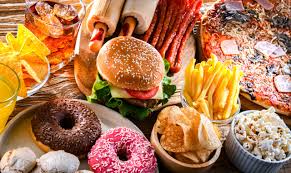
Teenagers today are surrounded by tempting food choices. From fast-food restaurants and vending machines to packaged snacks and sugary drinks, junk food is more accessible than ever. While enjoying a favorite treat occasionally is perfectly normal, regularly consuming large amounts of junk food can affect energy levels, concentration, physical health, and overall well-being.
The teenage years are a critical period for growth and development. During this time, the body requires a variety of nutrients to support physical growth, brain function, and healthy habits that can last into adulthood. Reducing junk food intake does not mean eliminating all favorite snacks or following strict diets. Instead, it involves making smarter choices and building a balanced relationship with food.
Here are some simple and practical ways teenagers can reduce their junk food intake while maintaining a healthy and enjoyable lifestyle.
Understanding What Counts as Junk Food
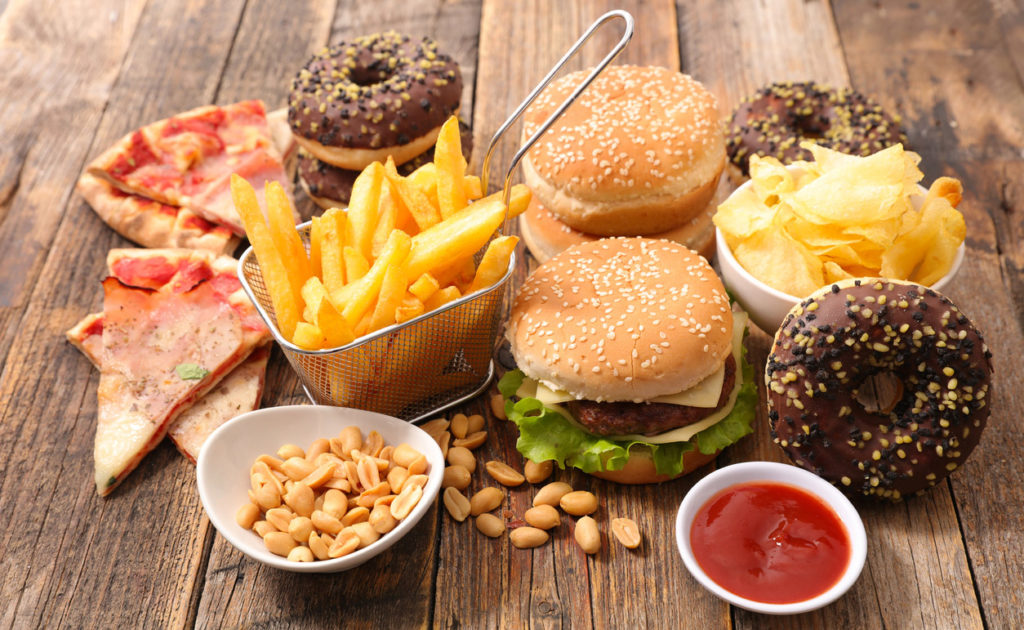
Before making changes, it is important to understand what junk food is. Generally, junk foods are products that contain high amounts of calories, sugar, unhealthy fats, and sodium while providing little nutritional value.
Common examples include:
- Potato chips
- Candy and chocolate bars
- Sugary soft drinks
- Fast food meals
- Packaged cookies and cakes
- Energy drinks
- Fried snacks
While these foods can be enjoyed occasionally, relying on them regularly may contribute to poor nutrition and unhealthy eating patterns.
Start with Small Changes
One of the biggest mistakes people make when trying to eat healthier is attempting to change everything at once. Sudden restrictions can feel overwhelming and difficult to maintain.
Instead, teenagers can start with small adjustments such as:
- Replacing one sugary drink per day with water
- Choosing fruit as an afternoon snack
- Limiting fast-food meals to specific occasions
- Reducing portion sizes of favorite treats
Small improvements often lead to long-term success because they are easier to maintain over time.
Keep Healthy Snacks Available
Convenience plays a major role in food choices. When unhealthy snacks are the easiest option, they are often the first thing teenagers reach for.
Keeping nutritious snacks readily available can make healthier decisions much easier. Some examples include:
- Fresh fruits
- Yogurt
- Nuts and seeds
- Whole-grain crackers
- Homemade popcorn
- Vegetable sticks with healthy dips
Having healthy alternatives nearby reduces the temptation to choose junk food when hunger strikes.
Don’t Skip Meals
Skipping meals can lead to intense hunger later in the day, increasing the likelihood of overeating junk food.
A balanced eating schedule helps maintain steady energy levels and prevents excessive cravings. Breakfast, in particular, plays an important role in setting the tone for the day.
Meals that include protein, healthy fats, and fiber can help teenagers feel satisfied for longer periods and reduce the urge to snack on unhealthy foods.
Drink More Water
Many teenagers consume large amounts of sugary beverages without realizing how much added sugar they contain.
Soft drinks, sweetened teas, sports drinks, and flavored beverages can contribute significant calories without providing lasting fullness.
Drinking more water throughout the day can help:
- Reduce unnecessary sugar intake
- Improve hydration
- Support concentration and energy
- Decrease cravings that may actually be linked to thirst
Carrying a reusable water bottle can make staying hydrated easier and more convenient.
Learn to Read Food Labels
Food packaging can sometimes be misleading. Products marketed as healthy may still contain large amounts of sugar, sodium, or unhealthy fats.
Learning to read nutrition labels allows teenagers to make more informed decisions.
Pay attention to:
- Added sugars
- Serving sizes
- Sodium content
- Total calories
- Ingredient lists
Understanding what is in food can encourage healthier purchasing habits and increase awareness of dietary choices.
Avoid Mindless Snacking
Many teenagers snack while watching television, studying, gaming, or scrolling through social media.
Mindless eating often leads to consuming more food than intended because attention is focused elsewhere.
Simple strategies include:
- Eating snacks at a table
- Portioning snacks into a bowl rather than eating from the package
- Paying attention to hunger and fullness signals
Being mindful during meals and snacks can help reduce unnecessary eating.
Get Enough Sleep
Sleep and nutrition are more connected than many people realize.
Lack of sleep can influence hormones that regulate hunger and appetite, increasing cravings for high-calorie foods and sugary snacks.
Teenagers should aim for sufficient sleep each night to support:
- Healthy energy levels
- Better concentration
- Improved mood
- Balanced eating habits
A consistent sleep schedule can make healthy food choices easier throughout the day.
Choose Healthier Versions of Favorite Foods
Reducing junk food does not mean giving up favorite flavors completely.
Many popular snacks have healthier alternatives that still satisfy cravings. For example:
- Baked chips instead of fried chips
- Homemade smoothies instead of milkshakes
- Fresh fruit instead of candy
- Whole-grain pizza crust instead of highly processed options
- Air-popped popcorn instead of heavily buttered varieties
Making simple substitutions can significantly improve nutritional quality without feeling deprived.
Be Careful with Social Influences
Friends, advertisements, and social media often influence food choices.
Fast food and trendy snacks are frequently promoted online, making them appear more appealing.
Teenagers can develop healthier habits by:
- Being aware of marketing tactics
- Following nutrition-focused content creators
- Making independent food choices
- Encouraging friends to explore healthier options together
Building awareness helps individuals make decisions based on their own health goals rather than external influences.
Plan Ahead
Poor food choices often occur when healthy options are unavailable.
Planning meals and snacks in advance can reduce the likelihood of grabbing junk food out of convenience.
Some simple planning habits include:
- Packing snacks before leaving home
- Preparing lunches ahead of time
- Keeping healthy foods stocked at home
- Creating a weekly meal schedule
Preparation makes healthy eating more manageable during busy school days and extracurricular activities.
Practice Moderation Instead of Restriction
Completely banning certain foods can sometimes make them even more tempting.
A balanced approach focuses on moderation rather than strict rules. Teenagers can still enjoy occasional treats while prioritizing nutritious foods most of the time.
This mindset helps create a healthier relationship with food and reduces feelings of guilt or deprivation.
Healthy eating should be sustainable, enjoyable, and realistic.
Focus on Long-Term Health Benefits
Making healthier food choices today can have lasting benefits in the future.
Reducing junk food intake may help support:
- Better energy levels
- Improved concentration at school
- Stronger physical growth and development
- Healthier eating habits in adulthood
- Improved overall well-being
Understanding these long-term benefits can provide motivation to make positive dietary changes.
Creating Healthy Habits That Last
Healthy eating is not about perfection. It is about making consistent choices that support physical and mental well-being over time.
Teenagers who gradually reduce junk food consumption and replace it with nutrient-rich alternatives often find that healthy habits become easier and more natural. Small daily improvements can lead to significant benefits without requiring drastic lifestyle changes.
The goal is not to eliminate all treats but to create a balanced diet that supports growth, energy, and long-term health.
Also Read: How to Help Birds Stay Hydrated in Hot Weather
Conclusion
Reducing junk food intake does not have to be difficult or restrictive. By making small changes, keeping healthy snacks available, staying hydrated, getting enough sleep, and practicing moderation, teenagers can develop healthier eating habits that fit their everyday lives.
The teenage years provide an excellent opportunity to build a strong foundation for lifelong wellness. With mindful choices and realistic goals, teenagers can enjoy their favorite foods while prioritizing nutrition and overall health.