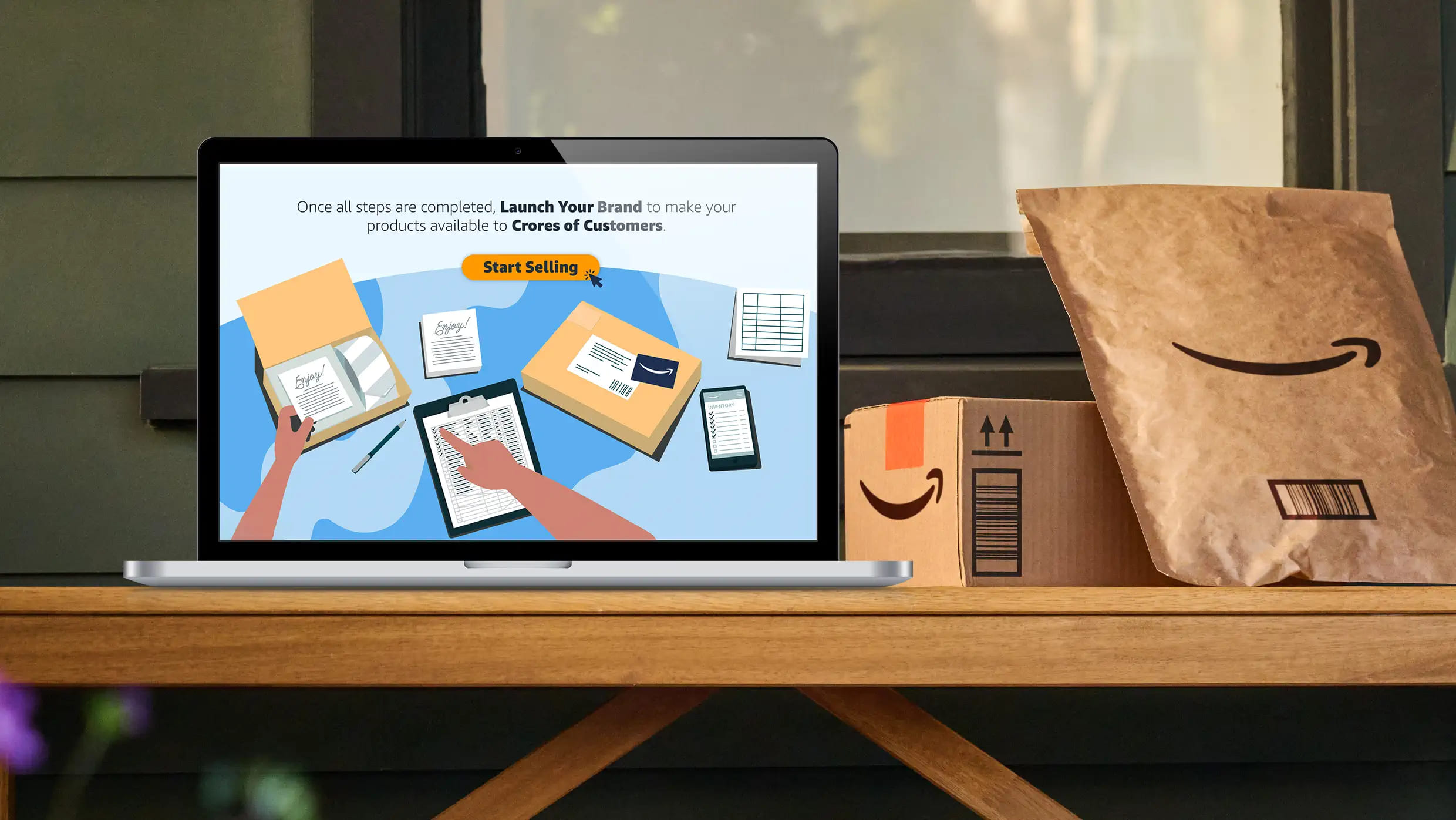
India’s eCommerce market is growing rapidly, and online marketplaces have made it easier than ever for entrepreneurs to start selling products nationwide. Platforms like Amazon and Flipkart offer access to millions of active buyers, advanced logistics networks, and built-in trust that new brands can leverage.
However, simply listing products is not enough. To sell successfully on Amazon and Flipkart, you need the right strategy, optimized listings, competitive pricing, and consistent performance management. This complete guide explains how to build, launch, and grow your online store profitably.
Understanding the Amazon and Flipkart Marketplace Model

Before you start selling, it’s important to understand how these marketplaces work.
Both platforms operate as third-party seller marketplaces. This means you register as a seller, list your products, and either ship orders yourself or use their fulfillment services. In return, the platforms charge referral fees, closing fees, and logistics fees depending on your category.
The biggest advantage is instant exposure. Instead of building your own website traffic from scratch, you gain access to customers already searching for products.
Step 1: Choose the Right Products to Sell
Product selection is the foundation of eCommerce success. Selling trending but low-competition products increases your chances of visibility and profitability.
Start by researching:
- High-demand categories
- Seasonal trends
- Low-review products with strong sales
- Competitive pricing gaps
Conducting Product Research
Use marketplace search bars to identify auto-suggestions and popular search terms. Check bestseller rankings and analyze competitor listings.
Look for products that:
- Solve a clear problem
- Have consistent demand
- Offer decent profit margins after fees
- Are lightweight and easy to ship
Avoid oversaturated categories unless you can differentiate your product through branding, bundles, or unique features.
Step 2: Register as a Seller
Both Amazon and Flipkart require basic documentation for seller registration.
Typically, you will need:
- GST number (mandatory for most categories)
- PAN card
- Bank account details
- Active mobile number and email ID
Once verified, you can access the seller dashboard to upload products, manage inventory, and track performance metrics.
Step 3: Optimize Product Listings for SEO
Product listing optimization directly affects visibility and conversions. Marketplace SEO is similar to Google SEO but focuses heavily on keywords and relevance.
Writing Keyword-Optimized Titles
Your product title should include primary keywords, brand name, model, size, and key features.
For example:
Instead of “Bluetooth Speaker,” write “Portable Bluetooth Speaker with 10-Hour Battery & Deep Bass.”
Use natural keyword placement without stuffing. Titles should be clear and informative.
Crafting Bullet Points That Sell
Bullet points should highlight:
- Key benefits
- Unique features
- Technical specifications
- Usage scenarios
- Warranty or guarantee
Focus on benefits over features. Customers care about how your product improves their lives.
Writing Compelling Product Descriptions
Descriptions should expand on bullet points and include secondary keywords naturally. Use simple language and explain how your product solves customer problems.
Incorporate search terms like:
- Best for home use
- Affordable option
- Long-lasting
- Easy to install
These phrases improve discoverability.
Step 4: Use High-Quality Product Images
Images significantly impact conversion rates. Clear, professional photos increase trust and reduce returns.
Your product images should include:
- White background main image
- Multiple angles
- Close-up feature highlights
- Size comparison visuals
- Lifestyle usage images
High-resolution images allow customers to zoom in and evaluate product quality before purchasing.
Step 5: Choose the Right Fulfillment Method
Logistics can make or break your seller rating.
Fulfillment by Amazon (FBA)
With FBA, you send inventory to Amazon’s warehouse. They handle storage, packing, shipping, returns, and customer service. This increases trust and may improve ranking.
Flipkart Fulfillment
Flipkart offers similar warehouse and delivery services. Using their logistics often boosts visibility and faster delivery badges.
Self-Shipping
If margins are tight, you can manage shipping yourself. However, delivery speed and reliability must remain consistent to maintain ratings.
For beginners, marketplace fulfillment programs are generally safer and more scalable.
Step 6: Price Strategically
Pricing strategy affects visibility and buy box eligibility.
Consider:
- Competitor pricing
- Platform fees
- Logistics cost
- Profit margins
Avoid pricing too low just to compete. Instead, focus on value. Offer bundle deals or limited-time discounts to attract customers.
Use dynamic pricing tools if possible to adjust rates based on demand and competition.
Step 7: Collect Reviews and Build Trust
Customer reviews strongly influence buying decisions.
Encourage reviews by:
- Delivering quality products
- Ensuring fast shipping
- Providing clear packaging instructions
- Following up politely through allowed channels
Never use fake reviews. Both platforms penalize unethical practices.
High ratings improve visibility and increase conversion rates.
Step 8: Run Sponsored Ads
Paid advertising accelerates growth, especially for new sellers.
Both platforms offer sponsored product ads where you bid on keywords. Your product appears in top search results or competitor listings.
Start with:
- Automatic campaigns to gather keyword data
- Then shift to manual campaigns targeting high-converting keywords
Monitor advertising cost of sale (ACoS) to ensure profitability.
Step 9: Manage Inventory Smartly
Running out of stock can hurt ranking and sales velocity.
Use sales data to forecast demand. Maintain buffer stock during festive seasons and sale events such as:
- Great Indian Festival
- Big Billion Days
- Prime Day
Inventory planning ensures uninterrupted growth.
Step 10: Track Performance Metrics
Both platforms provide seller dashboards with detailed analytics.
Key metrics to monitor include:
- Order defect rate
- Cancellation rate
- Late shipment rate
- Conversion rate
- Advertising performance
- Customer feedback
Improving these metrics boosts overall ranking and trust.
Common Mistakes to Avoid
New sellers often struggle due to avoidable errors.
Do not:
- Ignore keyword research
- Use poor-quality images
- Underestimate logistics costs
- Copy competitor listings blindly
- Neglect customer service
Consistency and data-driven decisions lead to long-term success.
Scaling Your Amazon and Flipkart Business
Once you gain traction, focus on scaling.
You can:
- Launch private label products
- Expand into multiple categories
- Create brand stores
- Build social media traffic
- Develop your own website alongside marketplace sales
Diversification reduces dependency and increases brand value.
Read Also : Online vs Offline Shopping in India: What’s Actually Cheaper?
Final Thoughts
Selling on Amazon and Flipkart successfully requires more than uploading products. It demands strategic product selection, optimized listings, competitive pricing, smart advertising, and strong customer service.
With India’s booming eCommerce market, the opportunity is massive. Whether you are a small business owner, manufacturer, or aspiring entrepreneur, these platforms provide the infrastructure to build a profitable online brand.
Start small, focus on quality, analyze your data, and scale systematically. With the right approach, selling on Amazon and Flipkart can become a sustainable and highly rewarding business model in 2026 and beyond.