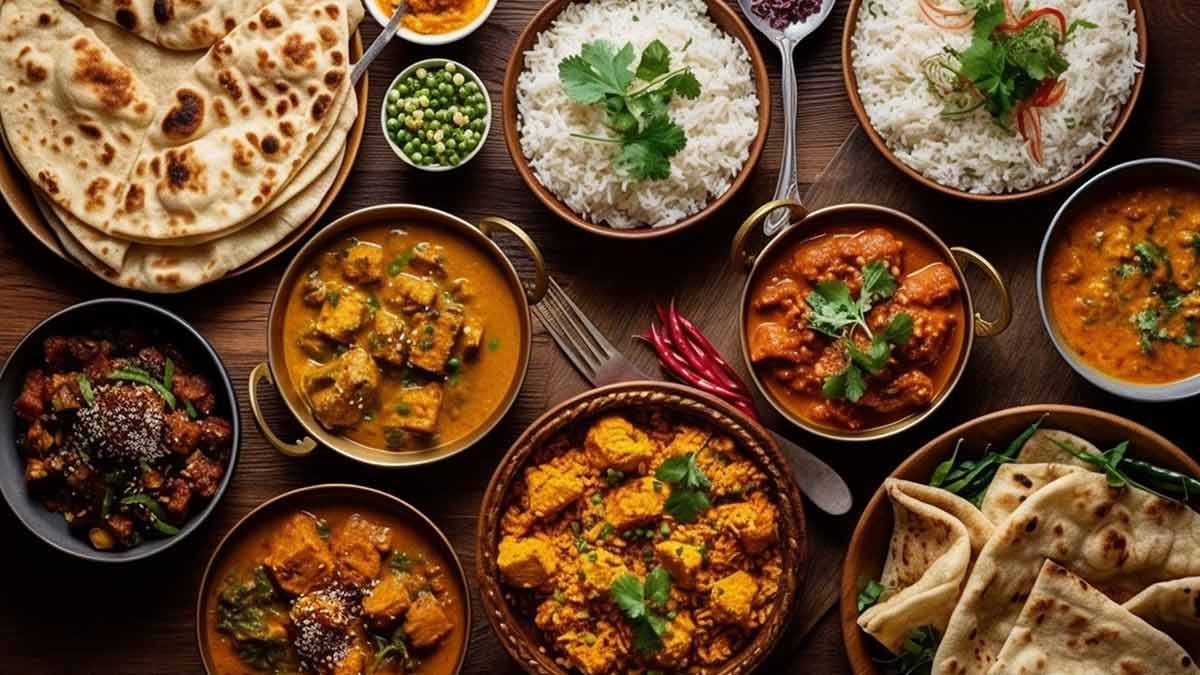
Staying healthy in India often feels confusing. Social media is full of costly diet plans, imported superfoods, and complicated fitness routines that don’t match real Indian lifestyles. The truth is, good health does not require expensive diets or fancy products. Many healthy habits already exist in Indian homes and daily routines — we just overlook them.
This blog explains simple, affordable, and practical healthy habits that Indians can follow using everyday food, movement, and lifestyle choices. These habits are realistic, sustainable, and suitable for students, working professionals, homemakers, and seniors alike.
Why Expensive Diets Are Not Necessary for Good Health
Many people believe that staying fit means buying protein powders, exotic fruits, or joining costly diet programs. However, traditional Indian diets and routines were naturally balanced long before modern diet trends existed.
Health depends more on consistency, portion control, and daily habits than on price tags. When habits align with your lifestyle, they are easier to maintain long term.
Eat Simple Home-Cooked Indian Food Regularly
Home-cooked food remains one of the healthiest options for Indians. It is fresh, customizable, and free from excessive preservatives.

Focus on Balanced Indian Meals
A balanced Indian meal does not need to be complicated. It should include:
- Roti or rice for energy
- Dal, curd, or paneer for protein
- Seasonal vegetables for vitamins and fibre
- A small amount of healthy fat like ghee or oil
Eating regular home meals helps control portions and reduces dependency on packaged food.
Avoid Overeating, Not Food Groups
Instead of cutting carbs or skipping meals, focus on eating the right quantity. Overeating even healthy food can lead to weight gain and digestion issues.
Use Affordable Indian Superfoods Already in Your Kitchen
You don’t need imported superfoods when Indian kitchens already have powerful nutrition sources.
Common Indian Foods With High Health Value
Affordable and easily available options include:
- Dal and legumes for protein
- Curd for gut health
- Peanuts and roasted chana for energy and satiety
- Vegetables like lauki, tori, bhindi, and spinach for fibre
These foods cost less and provide steady nutrition when eaten regularly.
Drink Enough Water Throughout the Day
Hydration is one of the simplest and cheapest healthy habits. Many health issues like fatigue, headaches, and poor digestion start with dehydration.
Simple Hydration Habits
- Start the day with a glass of water
- Sip water between meals
- Increase intake during summers or physical activity
You don’t need detox drinks or supplements — plain water works best.
Walk Daily Instead of Expensive Workouts
Exercise does not require gym memberships or costly equipment.
Walking as a Powerful Habit
Walking is one of the most effective forms of movement for Indians. A daily 30–45 minute walk helps with:
- Weight management
- Blood sugar control
- Stress reduction
- Heart health
Walking after meals also improves digestion and reduces bloating.
Follow Consistent Meal Timings
Irregular eating habits often cause more harm than food choices themselves.
Why Timing Matters
Eating meals at consistent times helps regulate digestion, metabolism, and energy levels. Skipping meals or eating late at night increases cravings and overeating.
Simple habit changes like early dinners and fixed breakfast times can significantly improve health.
Prioritize Sleep Without Changing Your Lifestyle
Sleep is often ignored in health conversations, yet it is free and essential.
How Better Sleep Improves Health
Good sleep helps with:
- Hormone balance
- Weight control
- Mental clarity
- Strong immunity
Avoid screens before bedtime, eat lighter dinners, and try to sleep at similar times daily.
Reduce Processed and Packaged Food Slowly
You don’t need to eliminate junk food completely. Gradual reduction works better.
Practical Food Swaps
Instead of strict restrictions:
- Choose homemade snacks over packaged ones
- Reduce sugary drinks and replace with water or chaas
- Limit outside food to occasional treats
Small changes lead to sustainable habits.
Manage Stress Using Simple Indian Practices
Mental health plays a big role in physical well-being.
Low-Cost Stress Management Habits
Affordable stress-relief practices include:
- Morning or evening walks
- Light stretching or yoga at home
- Spending time with family
- Limiting phone usage before sleep
These habits help prevent emotional eating and lifestyle diseases.
Eat Seasonal and Local Foods
Seasonal fruits and vegetables are cheaper, fresher, and more nutritious.
Benefits of Seasonal Eating
Local produce supports digestion and immunity because it aligns with climate needs. For example:
- Cooling foods in summer
- Warming foods in winter
This habit also reduces food expenses naturally.
Build Habits, Not Short-Term Diets
Health improves when habits become part of daily life, not temporary efforts.
Why Habits Matter More Than Diet Plans
Expensive diets often fail because they are difficult to maintain. Simple habits like daily walking, home meals, and proper sleep last longer and give better results.
Consistency beats perfection.
Healthy Habits and Long-Term Well-Being
Healthy habits don’t just improve how you look — they improve how you feel and function daily. Over time, these habits also help prevent lifestyle diseases like diabetes, obesity, and heart issues.
Simple, natural routines also make life calmer and more balanced.
Read Also : The Growing Popularity of Plant-Based Diets in India: Health Benefits and Challenges
Final Thoughts
Good health in India does not require expensive diets or complicated routines. It comes from simple habits practiced daily — eating home food, walking regularly, sleeping well, and managing stress.
These habits not only support physical health but also bring mental clarity and emotional balance. When followed consistently, they create a healthier lifestyle that is affordable, realistic, and sustainable for everyday Indian life.